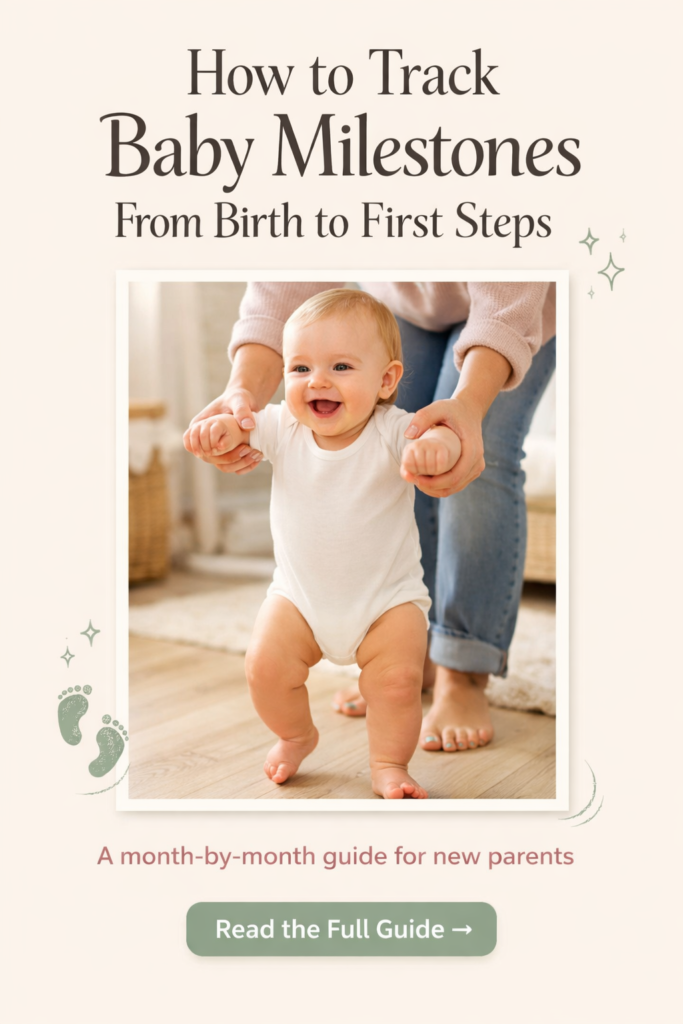
Watching your baby grow is one of the most extraordinary experiences of parenthood. One moment you’re holding a tiny newborn who can barely lift their head, and seemingly overnight, they’re pulling themselves up, babbling your name, and taking those wobbly first steps across the living room. If you’ve ever wondered whether your little one is “on track” or how you can gently encourage their development, you’re in good company. Every parent asks these questions, and the good news is that understanding your baby’s milestones doesn’t have to feel overwhelming.
Let’s walk through what you can expect during those magical first three years and how you can support your child every step of the way.
Why Milestones Matter (But Shouldn’t Stress You Out)
Developmental milestones are simply markers that help us understand how babies typically grow and learn. They cover four key areas: physical, cognitive, social-emotional, and language development. Think of them as a general roadmap rather than a strict schedule.
Here’s the thing every parent needs to hear: babies develop at their own pace. Your niece might have walked at nine months, while your child takes their first steps at fourteen months, and both are perfectly normal. What matters most is steady progress, not hitting every milestone on a specific date on the calendar.
For a deeper, month-by-month breakdown of what to watch for, the Baby Milestones: What to Expect From Birth to First Steps guide offers clear explanations and supportive advice to help you feel confident during this journey.
The First Three Months: Tiny Beginnings
In the early weeks, your baby is adjusting to the world outside the womb. You’ll notice them responding to your voice, making eye contact, and eventually rewarding you with that heart-melting first social smile around 6 to 8 weeks.
Physically, your baby is working hard too. They’re gaining head control, starting brief tummy time sessions, and discovering their hands. Encourage development by talking to your baby often, making funny faces, and providing safe supervised tummy time several times a day.
Four to Six Months: The World Opens Up
This stage is full of delightful changes. Babies typically begin rolling over, reaching for toys, and laughing out loud. They might start sitting with support and showing curiosity about everything within arm’s reach.
You’ll also notice early communication blossoming. Cooing turns into babbling, and your baby becomes more interactive during playtime. Reading aloud, singing, and playing peekaboo aren’t just fun — they’re building crucial neural connections.
Seven to Twelve Months: On the Move
Get ready to baby-proof everything! During this stretch, most babies learn to sit independently, crawl, pull to stand, and eventually cruise along furniture. Some brave little ones take their first steps before their first birthday, though many wait until around 13 to 15 months.
Language development takes off too. You might hear those magical first words — often “mama,” “dada,” or a favorite toy’s name. Babies at this age also develop object permanence, which is why peekaboo suddenly becomes hilarious to them.
One to Two Years: Little Explorers
Your toddler is now a walking, talking, opinion-having little person. Vocabulary expands rapidly, often reaching 50 or more words by age two. They’ll start combining words into simple phrases like “more milk” or “go park.”
Physical skills grow more refined. Climbing, running, kicking balls, and stacking blocks all become part of daily play. Pretend play also emerges, giving you a fascinating window into how your child understands the world.
Two to Three Years: Big Feelings, Big Growth
The toddler years bring a beautiful explosion of independence, imagination, and yes — occasional tantrums. Your child is learning to express emotions, share (sometimes), and engage in more complex conversations.
Fine motor skills sharpen as they scribble with crayons, use utensils better, and attempt puzzles. This is also when potty training often begins, though readiness varies widely. Patience and consistency are your best friends here.
When to Seek Extra Support
While variation is normal, there are times when checking in with your pediatrician makes sense. If your baby isn’t making eye contact, responding to sounds, or hitting multiple milestones significantly later than expected, trust your instincts and ask questions. Early intervention can make a tremendous difference when support is needed.
For comprehensive guidance on recognizing developmental signs and supporting your child’s growth, explore the full Baby Milestones guide here — it’s packed with real-life examples and practical tips every parent will appreciate.
Savor the Journey
The first three years go by in a blur of diapers, giggles, sleepless nights, and unforgettable firsts. Try not to compare your baby to others or rush through these stages. Every smile, every new word, every tumble on the way to walking is part of a beautiful story — and you have a front-row seat.