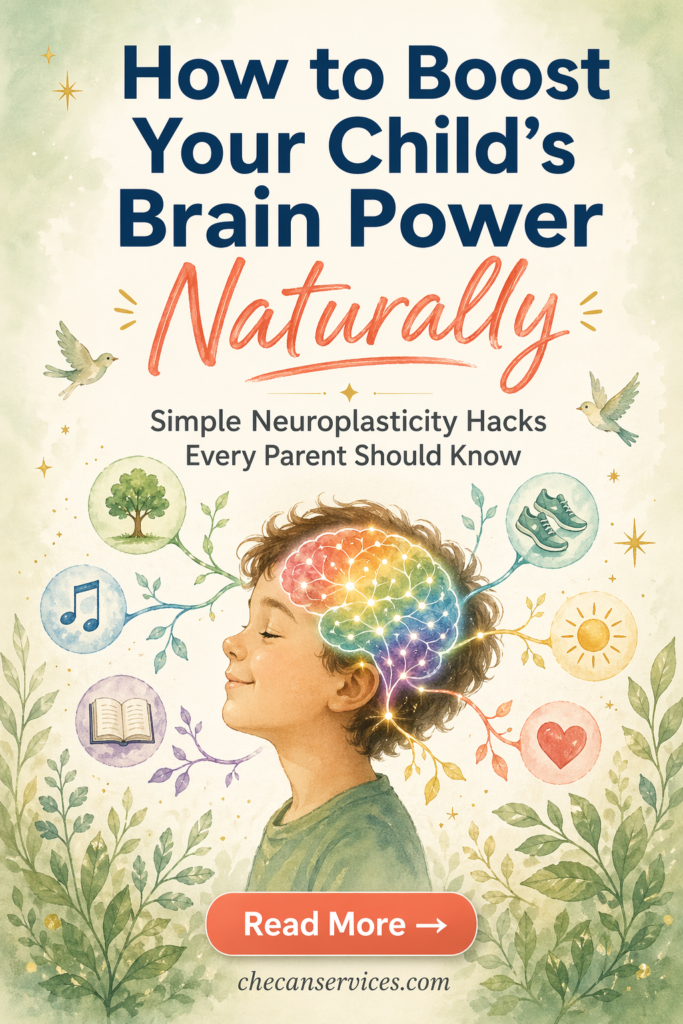
Discover easy, science-backed habits that nurture creativity, focus, and emotional growth—without pressure or overwhelm.
Every parent wants their child to thrive—to be curious, confident, and capable of tackling whatever life throws their way. But here’s the exciting truth that science has uncovered: your child’s brain isn’t fixed. It’s constantly rewiring itself based on daily experiences, relationships, and habits. This remarkable ability is called neuroplasticity, and it means you have more power than you think to shape a smarter, sharper young mind.
The best part? You don’t need expensive programs or complicated routines. The most effective brain-boosting strategies are surprisingly simple and woven into everyday life. Let’s explore how small, intentional changes can unlock your child’s incredible potential.
Why Neuroplasticity Matters for Growing Minds
Think of your child’s brain as a bustling construction site. Billions of neural connections are being built, strengthened, or pruned every single day. The experiences children have—what they see, hear, feel, and do—literally shape the architecture of their brains.
This is why the early years are so precious. When you create an environment rich in stimulation, love, and learning opportunities, you’re not just teaching your child—you’re helping build the very foundation of how they’ll think, learn, and relate to the world for years to come.
The good news? Neuroplasticity doesn’t have an expiration date. While young brains are especially adaptable, children of all ages can benefit from brain-boosting habits. For a deeper dive into the science and practical strategies, check out Brain Boosters: Neuroplasticity Hacks for Smarter Children—a parent-friendly guide packed with research-backed tools.
The Power of Movement and Play
Want to help your child focus better, remember more, and think more creatively? Get them moving. Physical activity isn’t just good for little bodies—it’s rocket fuel for developing brains.
When children run, jump, climb, or dance, their brains release chemicals that enhance learning and memory. Movement also strengthens the connection between the two hemispheres of the brain, improving everything from problem-solving to emotional regulation.
Try incorporating movement into learning. Practice spelling words while bouncing a ball. Review math facts during a walk. Dance breaks between homework sessions can actually help information stick better than sitting still for hours.
Music, Rhythm, and Cognitive Growth
There’s a reason lullabies and nursery rhymes have been around forever. Music activates multiple areas of the brain simultaneously, making it one of the most powerful tools for cognitive development.
Singing songs, clapping rhythms, or learning a simple instrument can boost language skills, strengthen memory, and even improve math abilities. You don’t need to raise a concert pianist—just weaving music into daily routines creates meaningful neural benefits.
Nature: The Ultimate Classroom
In our screen-saturated world, time in nature has become a superpower. Outdoor play doesn’t just burn energy—it sharpens attention, reduces stress, and sparks creativity in ways indoor environments simply can’t match.
A walk in the park, digging in the garden, or exploring a trail gives children’s brains the sensory variety they crave. Natural settings also encourage imagination, curiosity, and independent thinking—all essential ingredients for a thriving young mind.
Connection: The Secret Ingredient
Of all the brain boosters available, nothing rivals the impact of warm, responsive relationships. Children learn best when they feel safe, seen, and loved. Quality time with caring adults literally builds stronger neural pathways for emotional regulation, empathy, and resilience.
Even ten minutes of focused, device-free connection daily can work wonders. Read together. Ask open-ended questions. Share stories from your own childhood. These small moments create the emotional foundation that makes all other learning possible.
Sleep, Nutrition, and Mindset
No brain-boosting plan is complete without attention to the basics. Adequate sleep allows the brain to consolidate learning and reset for the next day. Brain-friendly foods—think berries, nuts, fish, and leafy greens—provide the building blocks for healthy neural development.
Equally important is helping children develop a growth mindset. When kids believe their abilities can grow with effort, they’re more willing to embrace challenges and bounce back from setbacks. Praise effort over outcomes, celebrate progress, and reframe mistakes as opportunities to learn.
Small Changes, Big Results
Raising a smarter, more resilient child doesn’t require perfection or pressure. It simply requires intention. By layering in movement, music, nature, connection, and healthy habits, you’re creating an environment where your child’s brain can flourish naturally.
Ready to transform your child’s potential with proven, everyday strategies? Explore Brain Boosters: Neuroplasticity Hacks for Smarter Children and discover practical tools to raise curious, confident, and capable young thinkers—one small habit at a time.