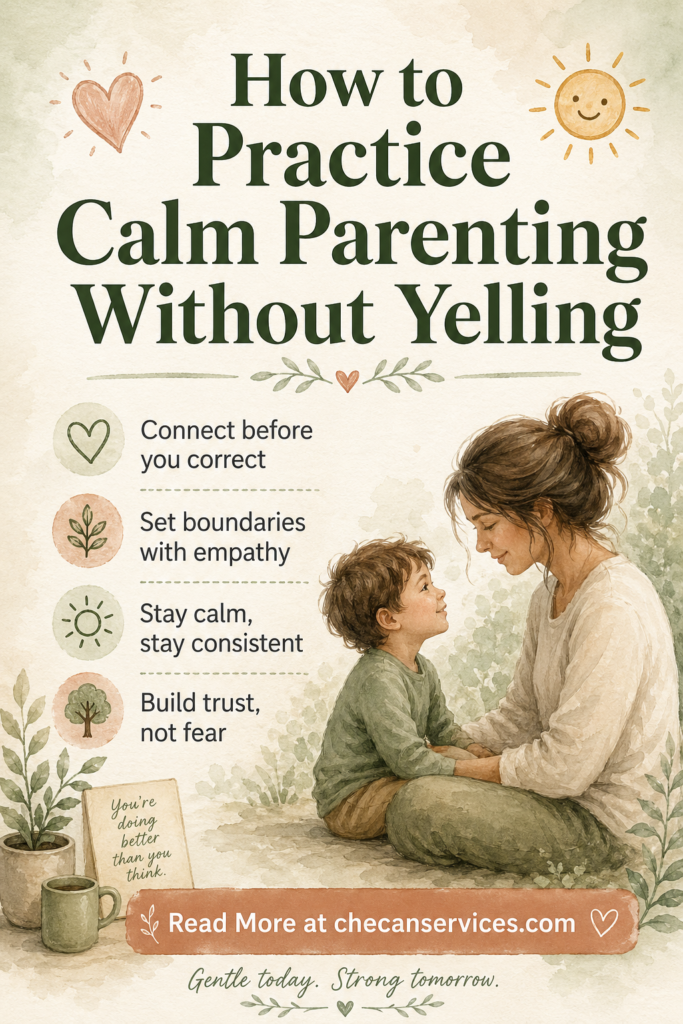
Parenting is one of the most rewarding journeys you’ll ever take—but let’s be honest, it can also be one of the most exhausting. If you’ve ever found yourself yelling at your kids over spilled milk or bribing them with screen time just to get through dinner, you’re not alone. The good news? There’s a better way, and it doesn’t require you to be a perfect parent. It just requires you to be a calmer one.
Calm parenting is more than a trendy buzzword. It’s a mindset shift that can transform your home, your relationship with your children, and even your own sense of peace. Let’s explore what it really means and how you can start practicing it today.
What Is Calm Parenting, Really?
Calm parenting isn’t about being permissive or letting your kids run the show. It’s about responding instead of reacting. It’s about teaching your children how to manage their emotions by modeling that behavior yourself. When you stay calm during meltdowns, refuse to engage in power struggles, and lead with empathy, you’re showing your kids what emotional regulation looks like in real time.
This approach focuses on connection over control. Instead of using fear, threats, or rewards to shape behavior, calm parenting relies on respect, consistency, and clear boundaries. The result? Children who grow up emotionally healthy, resilient, and genuinely cooperative—not because they’re afraid of consequences, but because they trust and respect you.
If you want to dive deeper into this approach, Calm Parenting: Raising Kids with Respect and Boundaries offers a complete roadmap with real-life examples and gentle strategies that actually work.
Why Yelling and Bribing Don’t Work Long-Term
We’ve all been there. You’ve asked your child five times to put on their shoes, and now you’re running late. The yelling starts. Maybe a threat slips out. Or maybe you cave and offer candy if they’ll just cooperate.
Here’s the truth: these tactics might work in the moment, but they break down over time. Yelling teaches kids that loud voices win arguments. Threats erode trust. Bribes train children to expect rewards for basic expectations. Worse, these methods damage the parent-child bond and leave everyone feeling worse afterward.
Calm parenting flips this script. By staying steady when your child isn’t, you become the safe harbor they need to learn self-control.
The Power of Connection Before Correction
One of the foundational principles of calm parenting is connection before correction. Before you address misbehavior, take a moment to connect with your child emotionally. Get down to their eye level. Acknowledge their feelings. Let them know you see them.
This doesn’t mean excusing bad behavior. It means recognizing that behind every tantrum, defiance, or meltdown is a child who needs help managing big emotions. When kids feel understood, they’re far more open to guidance.
Try saying something like, “I can see you’re really frustrated right now. It’s hard when things don’t go the way we want.” Then, once the storm has passed, you can talk about what happened and how to handle it differently next time.
How to Set Boundaries That Stick
Boundaries are a non-negotiable part of calm parenting—but they don’t have to be harsh. Children actually thrive with clear, consistent limits because they create a sense of safety and predictability.
The key is to set boundaries with empathy and follow through with calm consistency. Instead of saying, “Stop hitting your brother or you’re grounded!” try, “I won’t let you hit. Hitting hurts. Let’s find another way to show you’re upset.”
Notice the difference? You’re stopping the behavior without shaming the child. You’re teaching, not punishing. Over time, this approach builds emotional intelligence and self-discipline.
Small Daily Habits That Make a Big Difference
Calm parenting isn’t about overhauling your entire approach overnight. It’s about small, intentional shifts you can practice daily. Start by pausing before you respond. Take a deep breath. Ask yourself what your child really needs in this moment.
Other helpful habits include carving out one-on-one time with each child, validating their feelings even when you disagree with their behavior, and being mindful of your own emotional triggers. When you notice yourself getting activated, give yourself permission to step away briefly and reset.
These small practices add up. Over weeks and months, you’ll notice fewer power struggles, deeper conversations, and a calmer home environment.
For more practical tools and strategies that you can start using today, check out Calm Parenting: Raising Kids with Respect and Boundaries. It’s filled with gentle, actionable guidance for parents who want to raise confident, kind, and emotionally resilient kids—without losing themselves in the process.
Parenting can be peaceful and powerful at the same time. You just need the right tools and a little practice.