Educational apps are everywhere. From alphabet games to early coding platforms, they promise to turn screen time into learning time. But many parents still wonder: are educational apps actually good for child learning, or are they just clever marketing? The answer, like most things in parenting, is nuanced—and surprisingly hopeful.
When used thoughtfully, educational apps can absolutely support learning. The key isn’t the app itself, but how, when, and why it’s used.
What Educational Apps Do Well
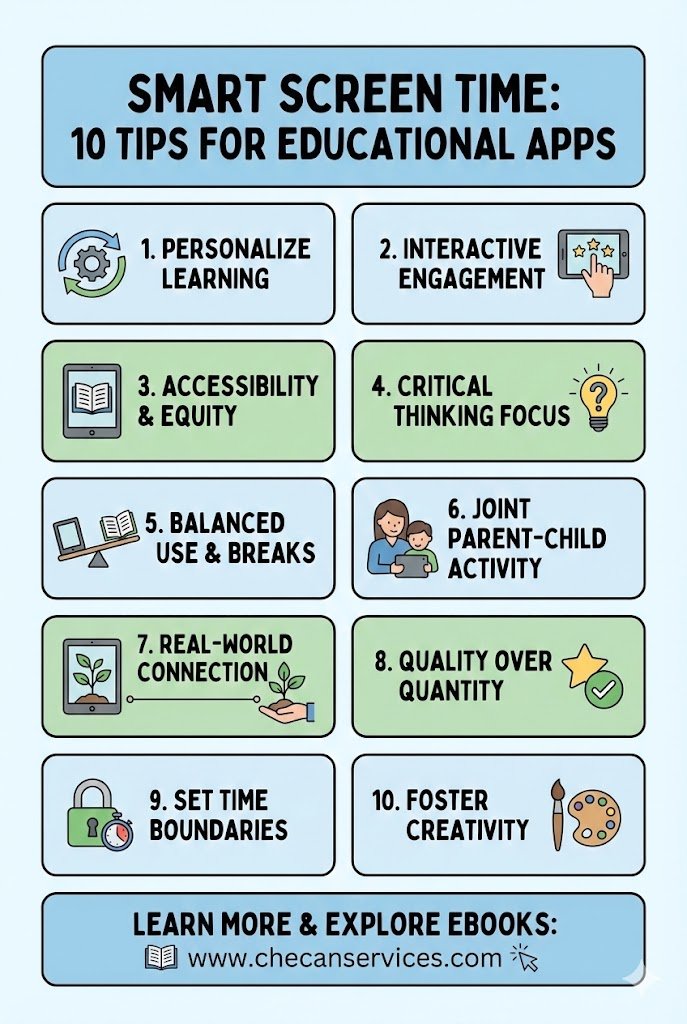
One major strength of educational apps is personalization. Unlike a traditional classroom or workbook, apps can adapt to a child’s pace. If a child struggles with phonics, the app can repeat sounds, offer visual cues, or slow things down. If they excel, it can move them forward without boredom.
Apps like Khan Academy Kids use interactive storytelling, animations, and gentle rewards to keep children engaged. This kind of immediate feedback—getting something right and seeing instant encouragement—can be very motivating, especially for young learners.
Another benefit is accessibility. Educational apps can bring quality learning tools into homes that might not have shelves of books or extra tutoring resources. A tablet and the right app can expose children to math concepts, reading practice, and even basic science in fun, approachable ways.
Where Apps Fall Short
That said, apps are not magic. Passive use—where a child taps endlessly without thinking—does little for real learning. Some apps labeled “educational” are little more than games with bright colors and minimal substance.
There’s also the issue of overuse. Learning happens best through a mix of experiences: conversation, play, reading, and exploration. No app can replace building blocks, pretend play, or a parent reading aloud and asking questions.
Experts consistently note that children learn more when adults are involved. Sitting with your child, asking what they’re doing, or connecting app content to real life makes a huge difference. For example, if an app teaches counting, counting toys or snacks afterward helps cement the concept.
Making Educational Apps Work Better
To get the most value, parents should be selective. Look for apps that encourage problem-solving, creativity, and reflection rather than just fast tapping. High-quality apps often include open-ended questions, stories, or challenges.
It’s also helpful to set boundaries. Short, intentional sessions—rather than unlimited access—keep apps as a learning tool instead of a digital babysitter. Balance is what turns screen time into something meaningful.
Key Takeaways for Parents
Educational apps can be a powerful supplement to learning, but they work best as part of a bigger picture. Think of them as one tool in your parenting toolbox—not the whole toolbox. When paired with real-world interaction, curiosity, and guidance, they can support confidence, curiosity, and foundational skills.
Looking Ahead
As technology continues to evolve, educational apps are becoming smarter, more adaptive, and more aligned with how children actually learn. Parents who stay informed and intentional will be best positioned to use these tools to their advantage.
If you’re interested in thoughtful, engaging resources that explore learning, parenting, and personal growth in a deeper way, you may enjoy the ebooks by Louise Blount available on Apple Books. Discover inspiring reads and practical insights by exploring her collection on Apple Books and see what resonates with your journey.