Emotional intelligence is one of those skills people often talk about, but don’t always fully appreciate until they see it in action. You’ve probably met someone who stays calm under pressure, communicates clearly even in conflict, and seems to understand others without much effort. That’s emotional intelligence at work—and it matters more today than ever before.
At its core, emotional intelligence is the ability to recognize, understand, and manage your own emotions while also being aware of and influencing the emotions of others. Unlike technical skills, it shows up quietly in everyday interactions: how you respond to feedback, how you handle stress, or how you navigate difficult conversations without burning bridges.
Why Emotional Intelligence Matters More Than Ever
We’re living in a time of constant change. Hybrid work, global teams, and digital communication mean fewer face-to-face cues and more room for misunderstanding. Emotional intelligence helps bridge that gap. For example, a manager who notices a team member becoming disengaged on video calls—and checks in with empathy rather than criticism—can prevent burnout and improve performance at the same time.
In personal life, emotional intelligence strengthens relationships. Think about disagreements with friends or family. People with higher emotional intelligence tend to pause before reacting, listen actively, and respond thoughtfully. That doesn’t mean they avoid conflict—it means they handle it in a way that leads to resolution instead of resentment.
Emotional Intelligence in the Workplace
Many employers now value emotional intelligence as much as, or even more than, technical expertise. You can teach someone how to use a tool or system, but teaching empathy, self-awareness, and emotional regulation is far more complex.
Consider leadership. A leader with strong emotional intelligence knows when to push for results and when to offer support. They read the room, adjust their communication style, and create psychological safety. Teams led by emotionally intelligent leaders tend to collaborate better, adapt faster, and trust more deeply.
Even for individual contributors, emotional intelligence can be a career accelerator. It helps with negotiation, teamwork, and managing upward. People remember how you made them feel long after they forget what you said.
Can Emotional Intelligence Be Developed?
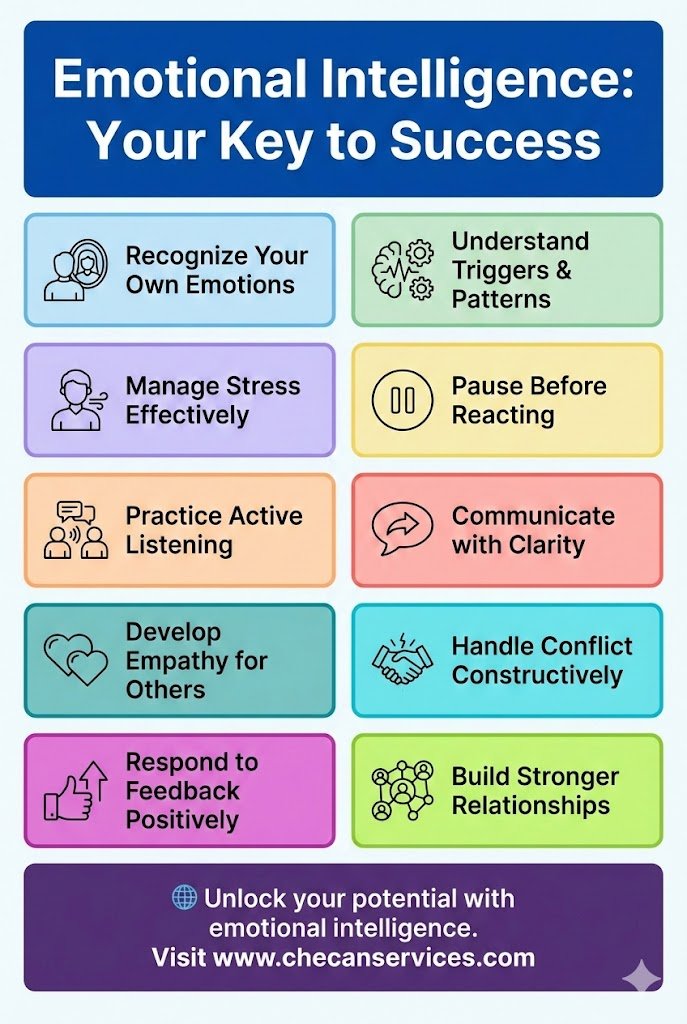
The good news is yes—emotional intelligence isn’t fixed. It starts with self-awareness: noticing your emotional triggers and patterns. From there, you can practice emotional regulation, empathy, and better communication. Simple habits like reflecting on challenging interactions, asking for feedback, or pausing before responding can make a noticeable difference over time.
Looking ahead, emotional intelligence will only grow in importance. As automation and AI handle more technical tasks, human-centered skills like empathy, judgment, and emotional awareness will set people apart.
Key Takeaways to Remember
Emotional intelligence influences how we lead, communicate, and connect. It improves relationships, enhances workplace performance, and helps us navigate uncertainty with resilience. In a world that’s increasingly fast-paced and complex, emotional intelligence is no longer optional—it’s essential.
If you enjoy exploring personal growth, emotional awareness, and modern life insights, you may also enjoy the ebooks by Louise Blount available on Apple Books. Discover thoughtful reads that dive deeper into emotional understanding and self-development by browsing her collection here.