The world our children are growing up in looks very different from the one we knew. New technologies emerge overnight, careers evolve faster than school curriculums, and social norms shift with each generation. Preparing children for a rapidly changing future isn’t about predicting every new trend—it’s about equipping them with adaptable skills, resilient mindsets, and a sense of curiosity that lasts a lifetime.
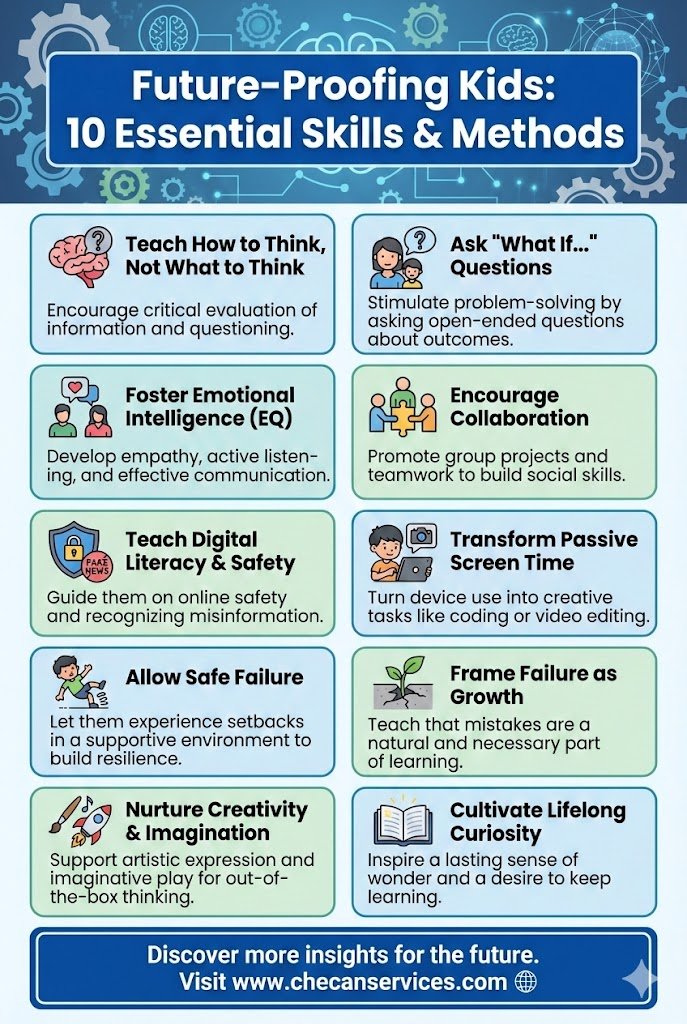
One of the most important foundations is teaching children how to think, not what to think. Critical thinking helps them evaluate information, ask better questions, and make informed decisions. For example, instead of giving quick answers, parents and educators can ask, “What do you think would happen if…?” This simple shift encourages problem-solving and builds confidence in their own reasoning abilities.
Equally important is emotional intelligence. In a future shaped by automation and AI, uniquely human skills like empathy, communication, and collaboration will matter more than ever. Children who learn how to express their emotions, listen actively, and work well with others are better prepared to navigate both professional and personal challenges. Group projects, team sports, and even family discussions at the dinner table can help nurture these abilities.
Digital literacy is another non-negotiable skill. Today’s children are surrounded by screens, but being tech-savvy goes beyond knowing how to use devices. It means understanding online safety, recognizing misinformation, and using technology as a creative and productive tool. Encouraging kids to code a simple game, edit a short video, or research a topic they love can transform passive screen time into meaningful learning.
Adaptability also grows from allowing children to experience failure in a safe environment. When kids are overly protected from mistakes, they may struggle with setbacks later in life. Letting them try, fail, and try again—whether in schoolwork, hobbies, or social situations—teaches resilience. A child who learns that failure is part of growth is far better prepared for a future where change is constant.
Creativity often gets overlooked, yet it’s a powerful future skill. Artistic expression, imaginative play, and storytelling help children think outside the box and see multiple solutions to a problem. These skills translate directly into innovation, entrepreneurship, and leadership later on.
Key Takeaways
Preparing children for a rapidly changing future means focusing on transferable skills rather than rigid paths. Critical thinking, emotional intelligence, digital literacy, adaptability, and creativity form a strong toolkit that can evolve with them as the world changes.
Looking Ahead
As parents, educators, and caregivers, our role isn’t to have all the answers—it’s to create environments where children feel safe to explore, question, and grow. The future will continue to change, but children who are curious, confident, and resilient will be ready to meet it head-on.
If you’re looking for thoughtful, engaging reads that explore growth, self-awareness, and navigating modern life, discover the inspiring ebooks by Louise Blount available on Apple Books. They make a meaningful addition to any personal learning journey—for adults shaping the future and the children they guide.