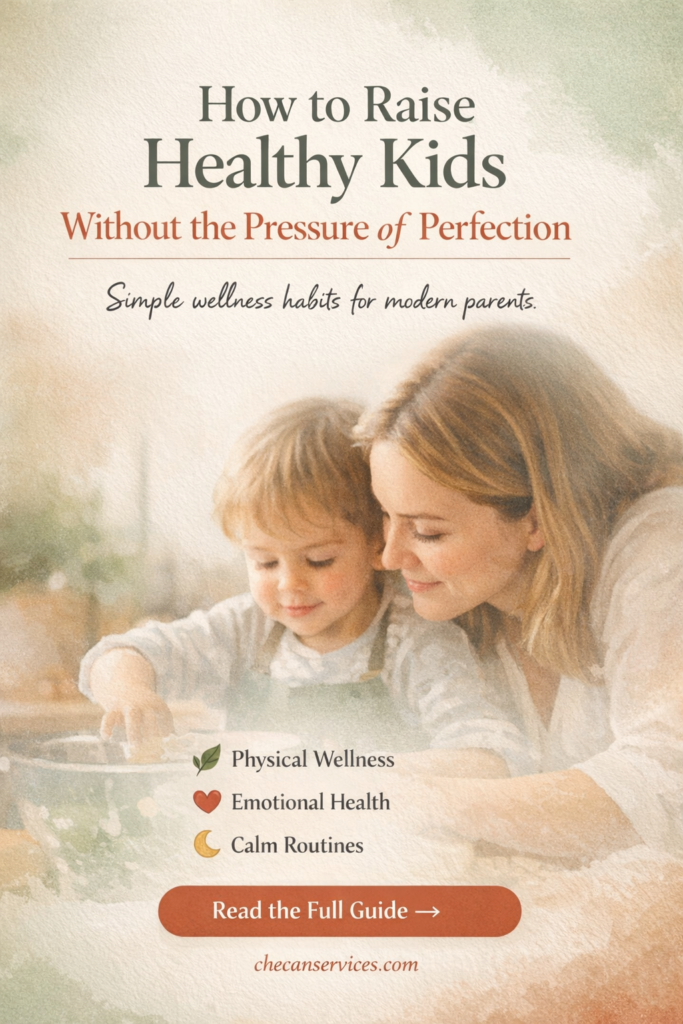
Parenting today feels like a full-time job with a never-ending performance review. Between organic meal plans flooding your Instagram feed, schedules packed tighter than a suitcase on vacation, and the quiet voice in your head asking if you’re doing enough, it’s easy to feel like you’re failing before breakfast even ends. But here’s the truth most wellness blogs won’t tell you: raising healthy kids doesn’t require perfection. It requires balance.
If you’ve ever felt that wellness for your family has become one more thing to stress about, you’re not alone. Let’s talk about how to build real, lasting health in your home without the burnout.
Why Perfection Is the Enemy of Wellness
Somewhere along the way, parenting turned into a competition. We compare lunchboxes, screen time limits, bedtime routines, and extracurricular achievements. The pressure to do it all “right” creates a constant hum of guilt that exhausts parents and, ironically, teaches kids that health is about restriction rather than joy.
Real wellness isn’t about checking every box on a curated list. It’s about creating an environment where your child can thrive physically, emotionally, and mentally — and where you, the parent, aren’t running on empty trying to make it happen.
The Balanced Wellness guide dives deep into this shift in perspective, giving modern parents a roadmap that feels doable instead of draining.
The Three Pillars of Balanced Family Health
Physical Well-Being Without the Obsession
Healthy eating doesn’t mean every meal needs to look like a Pinterest board. It means offering a variety of foods, sitting down together when you can, and letting kids listen to their own hunger cues. A peanut butter sandwich eaten in peace beats a gourmet quinoa bowl eaten in tears.
Movement matters too — but it doesn’t have to mean structured sports five days a week. Backyard tag, weekend bike rides, or even dance parties in the kitchen count. The goal is raising kids who enjoy moving their bodies, not kids who dread exercise.
Sleep is the quiet hero of childhood wellness. Consistent bedtimes, limited screens before bed, and wind-down routines do more for a child’s health than almost any supplement or superfood.
Emotional Health Starts at Home
Kids don’t need parents who never get stressed. They need parents who model how to handle stress in healthy ways. When your child sees you take a deep breath before responding, acknowledge your own emotions, or apologize when you’ve snapped, you’re teaching emotional intelligence without a single lecture.
Connection is the real foundation here. Ten minutes of undivided attention — no phones, no multitasking — does more for your child’s emotional well-being than an hour of distracted togetherness.
Mental Wellness Through Simple Routines
Predictability helps kids feel safe. That doesn’t mean rigid schedules; it means reliable rhythms. Morning routines, family dinners when possible, and calming evening habits give children mental stability in an unpredictable world.
Encourage curiosity over perfection. Praise effort, not just outcomes. Let them see you read, learn, and make mistakes. Mental wellness grows in environments where it’s safe to be a work in progress.
How to Handle the Hard Parts
Picky eating? Keep offering variety without pressure. It can take 10 to 15 exposures before a child accepts a new food. Your job is to provide; their job is to decide how much they eat.
Packed schedules? Protect unstructured time fiercely. Downtime isn’t wasted time — it’s when kids process, imagine, and rest. Saying no to one more activity is often the healthiest choice you can make.
Parenting guilt? Notice it, but don’t obey it. Guilt often shows up as a sign you care, not as proof you’re failing. Let it inform you, then let it go.
Small Habits That Actually Stick
Forget dramatic lifestyle overhauls. Sustainable wellness is built on tiny, repeatable actions:
A shared breakfast most mornings. A ten-minute walk after dinner. A weekly family check-in. A bedtime story that becomes a ritual. A calm phrase you use when tensions rise.
These small anchors compound over years into a deeply healthy family culture — one that no trending diet or parenting hack can replicate.
The Real Goal: A Home That Feels Good
At the end of the day, your child won’t remember whether the snacks were organic. They’ll remember how it felt to grow up in your home. They’ll remember your presence, your patience, and the rhythms that made them feel safe.
Wellness isn’t a destination; it’s the atmosphere you create every single day. And when you release the pressure of perfection, you finally have room to actually enjoy the family you’re raising.
For a complete, chapter-by-chapter roadmap to building this kind of home, check out Balanced Wellness: A Modern Parent’s Guide to Raising Healthy Kids Without the Pressure. It’s the calm, practical companion every modern parent deserves.